Case study
Computer Vision
An IoT-powered computer vision system that sees, analyzes, and identifies its environment using AWS machine learning services.
Problem
The challenge was to build a system that could visually perceive its environment, process images from hardware devices, and intelligently identify objects—bridging the gap between physical hardware and cloud-based machine learning systems.
Solution
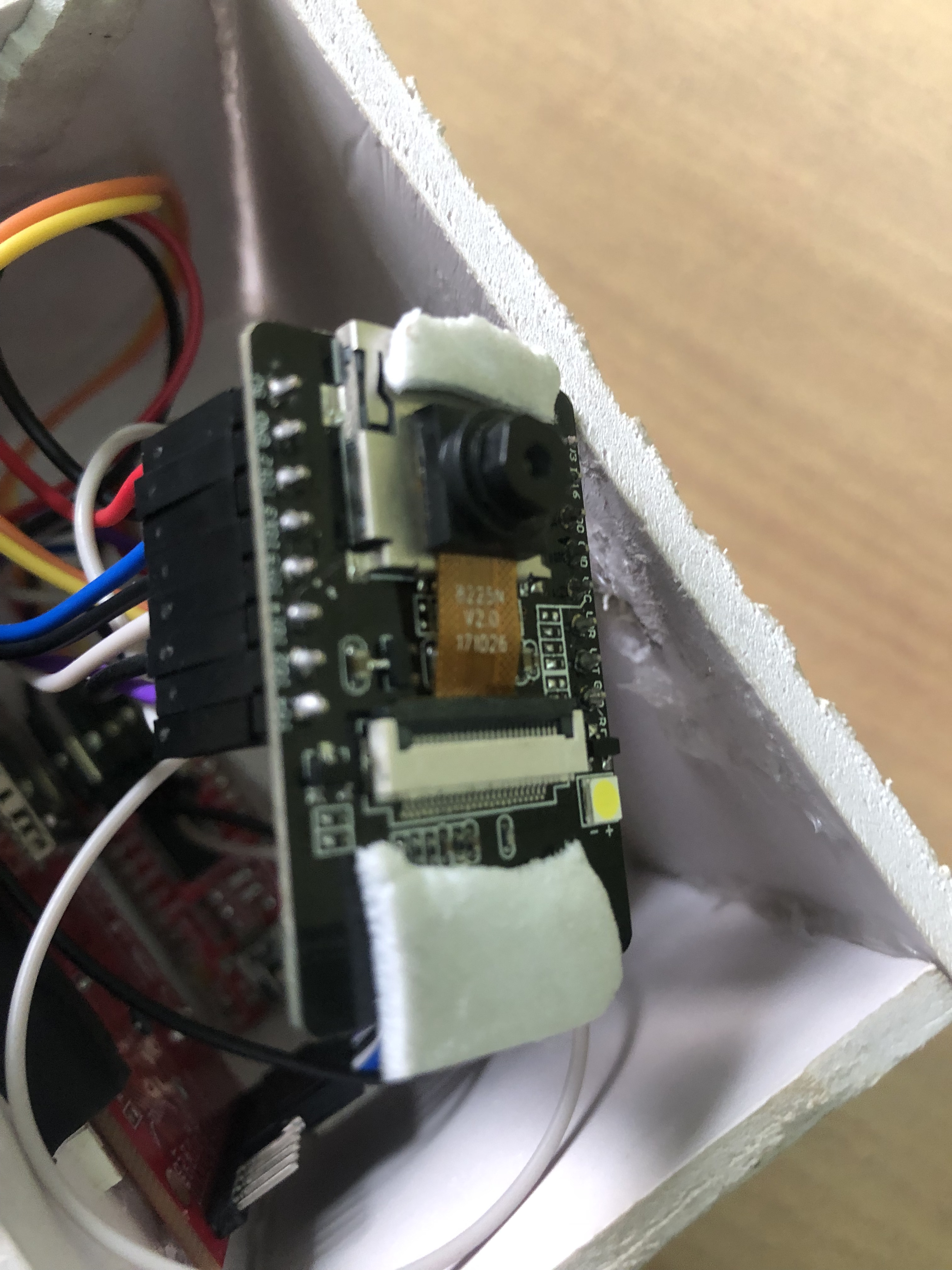
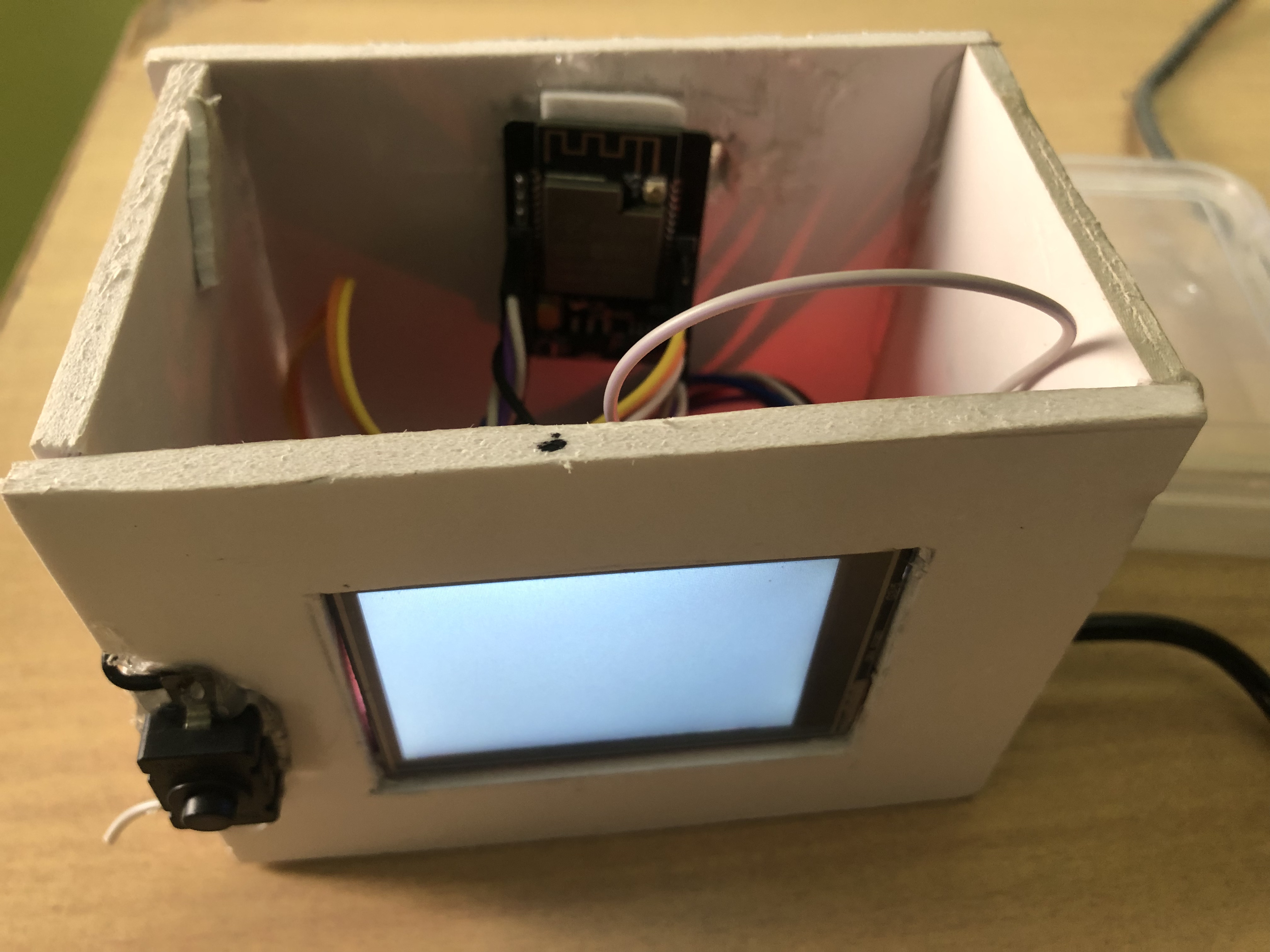
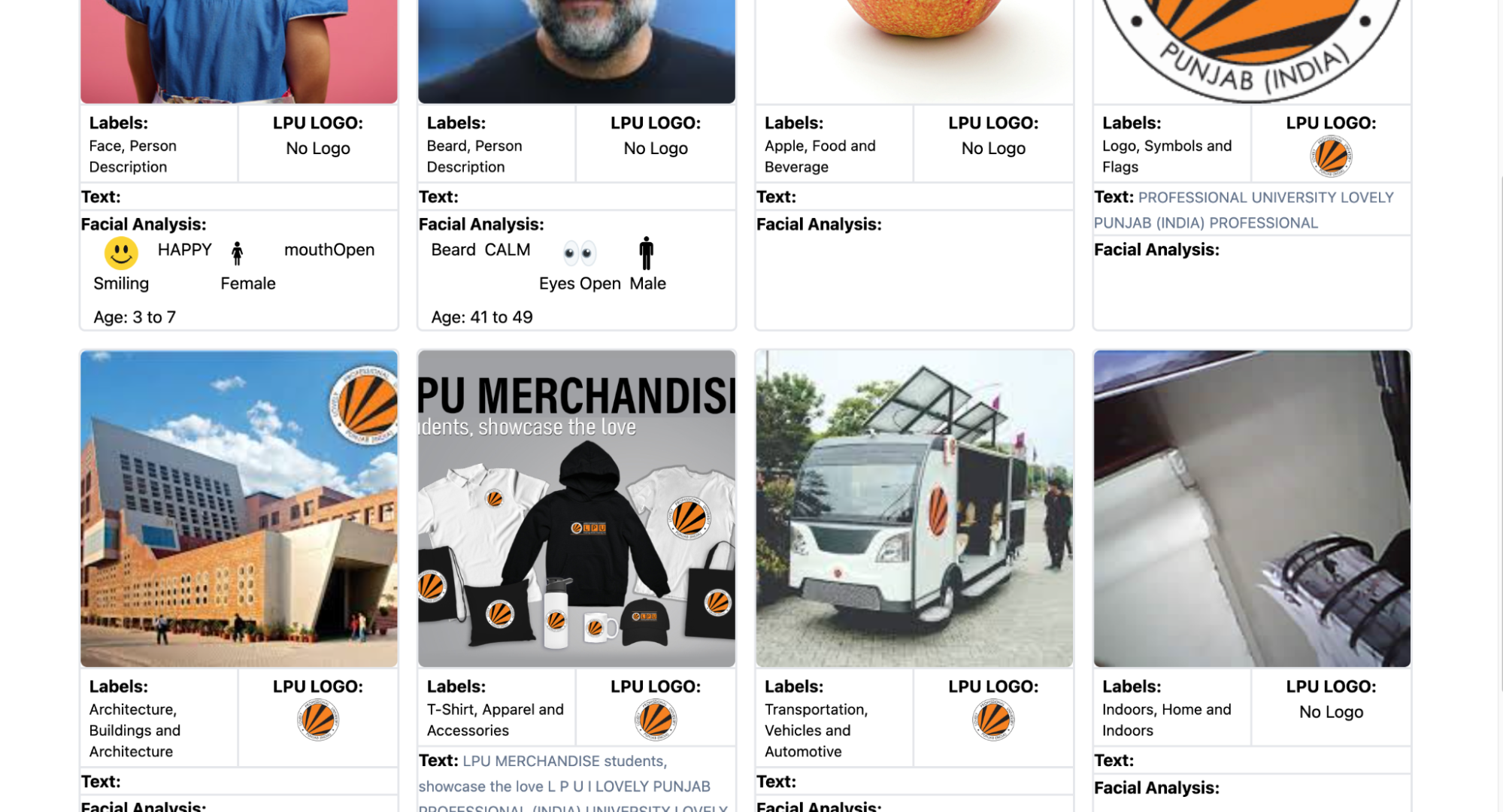
We built an end-to-end IoT computer vision system where an ESP32-CAM captures images, sends them to a backend server, and leverages AWS Rekognition to analyze and identify objects. The system includes a full web interface for testing image analysis, viewing results, and managing stored data.
Responsibilities
- Built the full web interface for interacting with the computer vision system
- Developed the backend server to handle requests from both hardware devices and the web client
- Integrated AWS Rekognition for image analysis and object identification
- Connected ESP32-CAM hardware to cloud-based ML services
- Worked hands-on with Arduino boards, ESP32s, Raspberry Pi, and sensors
- Collaborated on circuit connections and hardware setup with team members
- Integrated MongoDB for storing analyzed images and results
- Deployed the frontend and backend to cloud services
Tech stack
Key features
- Real-time image capture using ESP32-CAM
- Cloud-based image analysis and object identification
- Web interface to upload and analyze images manually
- Database view of all captured and analyzed images
- Hardware display of captured images and analysis results
- End-to-end communication between hardware, backend, and web client
Challenges
—
Visuals
Notes
Team size: 5. All team members worked on circuit building, sensor integration, and hardware setup; I led the full web interface and backend development. Highlights: integration of physical hardware with cloud-based machine learning, AWS Rekognition custom models for object detection, and hands-on IoT + embedded systems experience.